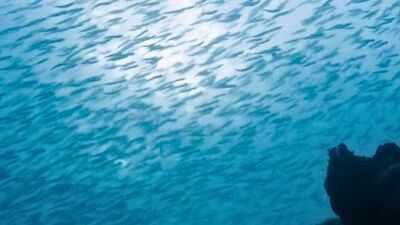
Puerto Rico is carrying out a major coral reef restoration effort that combines coral planting with the return of marine animals that help keep reef ecosystems balanced. The Caribbean Reef Project is led by the Institute for Socio-Ecological Research, known as ISER Caribe, alongside organisations from Puerto Rico and elsewhere. Its plan covers five acres of coral reef and includes work at sites in Fajardo, La Parguera and Rincón.According to the Institute for Socio-Ecological Research (ISER Caribe), the initiative plans to plant 124,000 coral fragments, alongside 9,600 sea urchins and 600 crabs. The project also expands land-based nurseries and includes education, training, and community activities across the island.
How does the project aim to rebuild Puerto Rico’s damaged reef ecosystems
The Caribbean Reef Project takes a wider approach to coral reef restoration. Along with growing and planting coral fragments, it aims to restore other marine organisms that help keep reefs healthy. These include herbivorous sea urchins and crabs, which feed on algae and help prevent it from taking over the reef.According to the organisation, restoring these organisms alongside coral can help bring balance to reef ecosystems. The project also aims to rebuild the physical structure of reefs and protect the benefits they provide to people and wildlife. Its work will cover six coral reefs in Fajardo, La Parguera and Rincón. The targets include restoring 124,000 coral fragments, 9,600 sea urchins and 600 crabs across Puerto Rico.
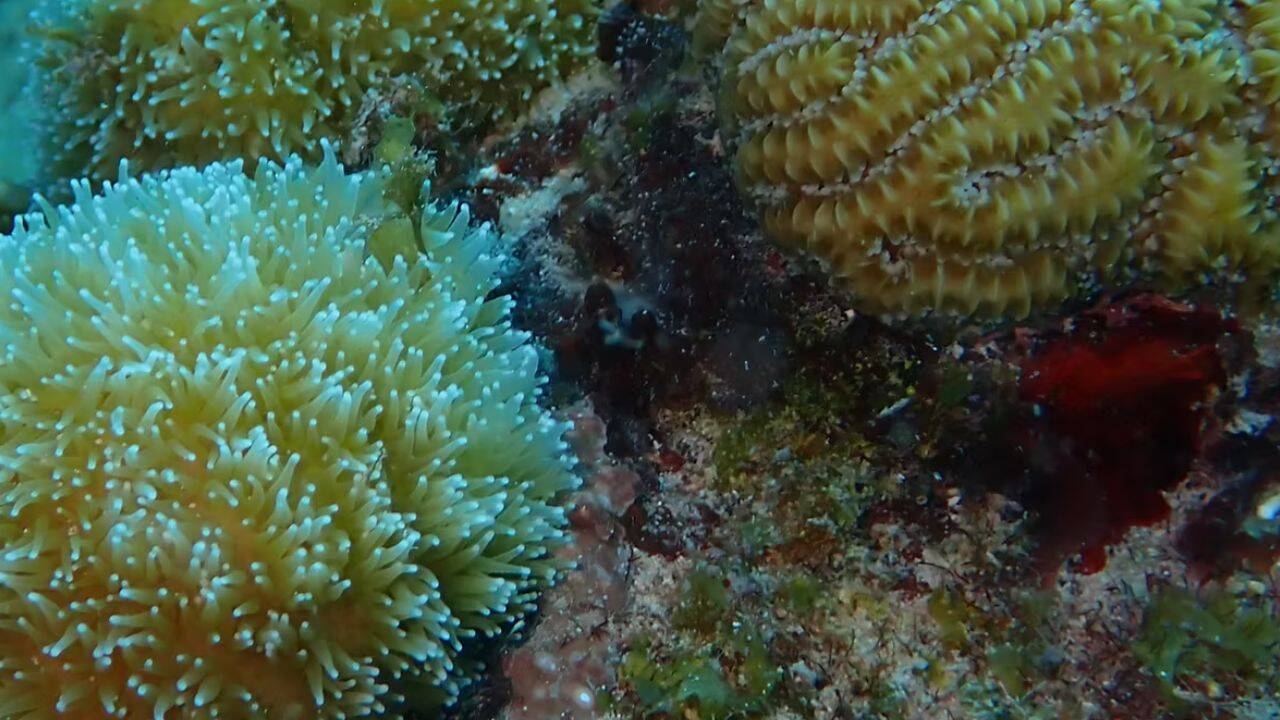
PC: ISER Caribe
Land-based nurseries support plans to restore thousands of corals and marine organisms
A central part of the project is expanding the capacity of ISER Caribe’s land-based nurseries at both of its CIROM facilities. CIROM, the Center for Research and Restoration of Marine Organisms, operates facilities in Ceiba and La Parguera. The organisation describes them as the first land-based nurseries for marine organisms in Puerto Rico.Corals and herbivores such as sea urchins and crabs are raised at these facilities before being used in restoration work. The facilities were developed by ISER Caribe with collaboration or funding from Puerto Rico’s DNER, UPR Mayagüez, and US bodies including NOAA, the US Fish and Wildlife Service, and the National Fish and Wildlife Foundation.
Why are sea urchins and crabs important to coral reef restoration
The project includes marine herbivores because their role extends beyond adding more animals to a reef. Herbivorous organisms help clear harmful algae, which can affect coral reef conditions. Its wider restoration approach combines coral planting with the reintroduction of organisms that feed on algae. Observations show that placing herbivores on coral reefs reduces harmful algae and leads to greater coral survival and a more balanced reef ecosystem.The planned numbers include 9,600 sea urchins and 600 crabs, alongside 124,000 coral fragments. Together, these elements form the project’s ecosystem-based approach, which seeks to restore both the reef habitat and important organisms within it at selected reef sites as the project progresses in Puerto Rico.
Local partnerships and outreach activities strengthen the restoration effort
The Caribbean Reef Project also includes education and outreach activities alongside its restoration work. ISER Caribe plans to produce coral reef guidebooks and publications and hold workshops and trainings. The initiative also includes a short documentary film about coral restoration, with screenings, and volunteer opportunities.ISER Caribe lists partnerships with the University of Puerto Rico Mayagüez Department of Marine Sciences, the Puerto Rico Department of Natural and Environmental Resources, Puerto Rico Sea Grant, Mote Marine Laboratory, and other organisations. It is funded by NOAA through the Bipartisan Infrastructure Law.