
Do you remember your first sip of coffee? The one that almost made you throw up? And look at you now. A good cup of coffee is probably the first thing your hand reaches for every morning. But how is it that something that initially tastes so bitter and unpleasant eventually becomes something you look forward to?We mostly think that whatever we like or dislike is because of the taste. But you too must have noticed that many foods you couldn’t even touch a few years ago have now become your favourites. So, if the food hasn’t changed, what has? Scientists might have found something, and the answer could be linked to your gut and brain rather than just your taste buds.According to a study published in the journal Nature, titled “The neural basis of flavour–nutrient learning”, researchers have identified a gut-to-brain dopamine pathway that may help explain how we learn to enjoy flavours associated with calories, even bitter ones. The study suggests that our food preferences may not be determined by taste alone. In fact, our gut may have a much bigger role to play in deciding what we eventually enjoy eating. When we consume food, the nutrients it provides send signals from the gut to the brain, where dopamine, a chemical associated with reward and motivation, helps reinforce the connection between a particular flavour and the nutritional benefits that follow.This could explain why some foods that we initially find unpleasant gradually become part of our everyday diet. But how exactly does this communication between the gut and brain work, and what did the researchers discover?
How the gut teaches the brain to like certain foods
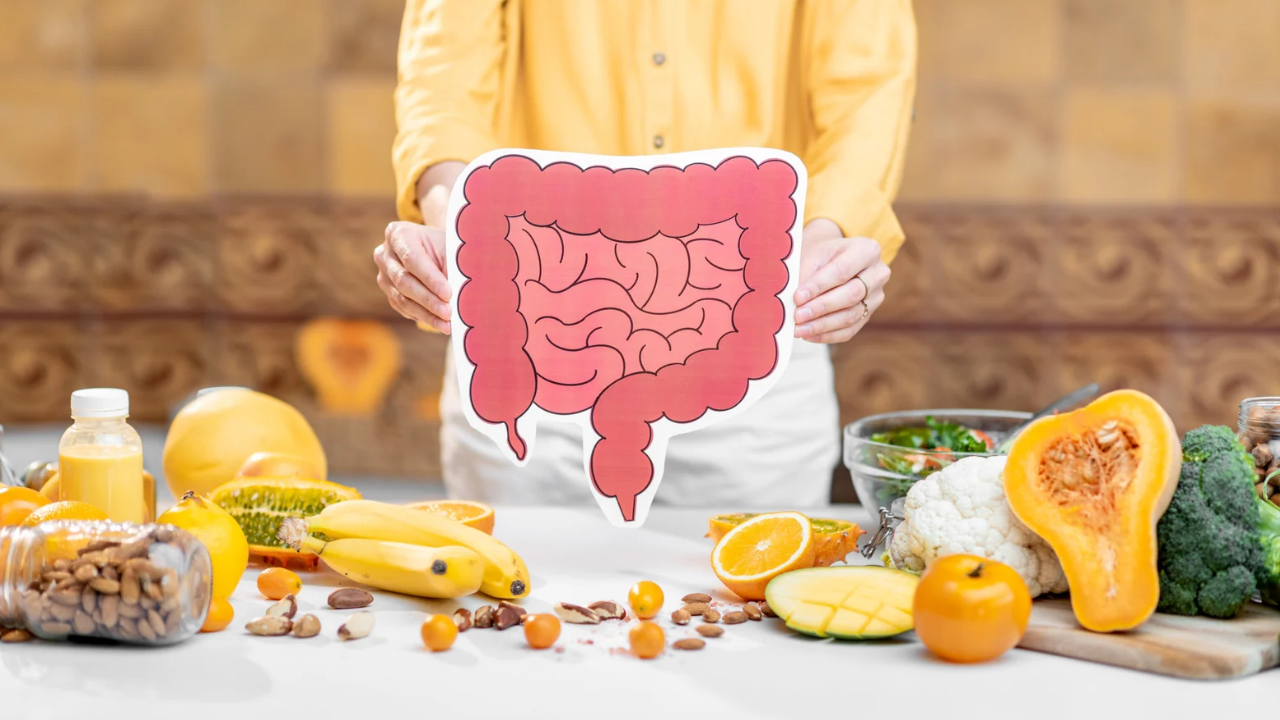
Your gut might be deciding what foods you like (Canva)
The process we are looking at is known as flavour-nutrient learning. In simple terms, the brain learns to associate a particular taste with the nutritional benefits that follow. So, even if a flavour initially seems unpleasant, the nutritional reward associated with it can gradually make us more likely to enjoy it.So, when we eat something, the gut sends signals about the nutrients entering our body, helping the brain understand the nutritional value of what we have consumed. Researchers found that these signals trigger a slow release of dopamine in a region of the brain associated with learning and reward.In their experiments, the researchers found that this dopamine activity was linked to the anterior basolateral amygdala, a region involved in learning and assigning value to experiences. They studied how mice responded to different flavours paired with nutritional rewards. When the gut-to-brain dopamine pathway was disrupted, the mice struggled to develop preferences for flavours associated with nutrients. However, stimulating the pathway could encourage them to develop such preferences.But how does a chemical influence what food we like?
The role of dopamine in developing food preferences
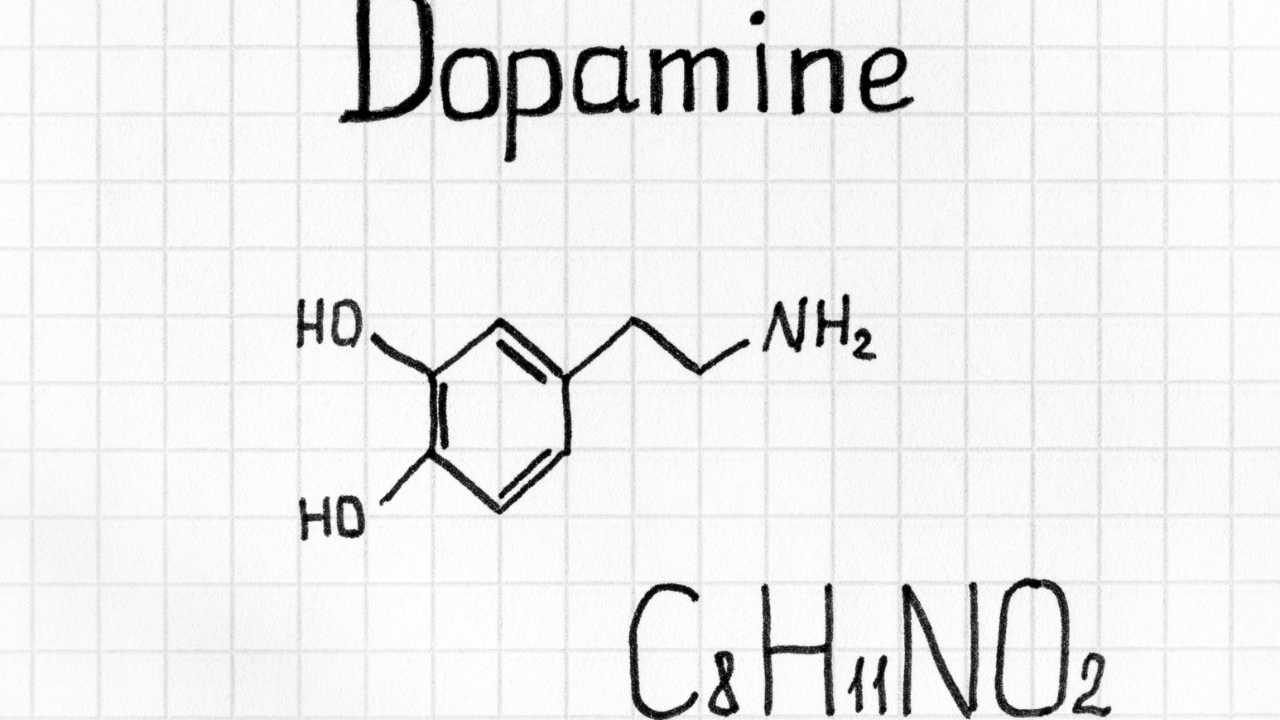
Dopamine, the happy hormone formula (Image- Canva)
Dopamine is often called the feel-good chemical, but its role goes beyond simply making us feel happy. It is closely involved in how we learn from rewarding experiences and develop preferences. In this study, researchers found that the gut-triggered dopamine signal was not an instant response but a slow and sustained one. This is important because it allows the brain to connect the taste of food with the nutritional reward that follows.To understand this better, the researchers examined what happened when this dopamine pathway was switched off or artificially activated in mice. When the pathway was disrupted, the animals struggled to develop a preference for flavours associated with nutrients. On the other hand, activating it could encourage them to prefer certain flavours, even without receiving the corresponding nutritional reward. This suggests that dopamine does not simply make food taste better; it helps the brain learn which flavours are worth returning to.
Why we learn to enjoy bitter foods like coffee

Your beloved coffee, the one you hated before (Image- Canva)
This brings us back to our morning cup of coffee. Unlike sweet foods, which we often enjoy from the very first bite, bitter flavours can take some getting used to. Coffee, dark chocolate and certain vegetables are common examples. We may initially find their taste unpleasant, but repeated exposure and the nutritional rewards associated with food can gradually influence our preferences.The researchers’ findings offer a possible explanation for this process. The gut-to-brain dopamine pathway helps the brain learn to associate flavours with the calories and nutrients they provide. This means that our liking for certain foods may develop through more than just repeated exposure or changes in our taste perception. However, the study does not establish that this pathway is directly responsible for humans acquiring a taste for coffee. Rather, it offers a possible biological explanation for how food preferences develop over time.And perhaps that’s what it shows: love grows. Coffee was never meant to be love at first sip. It is something that grows on you, little by little and sip by sip.