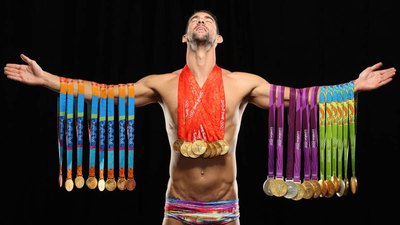
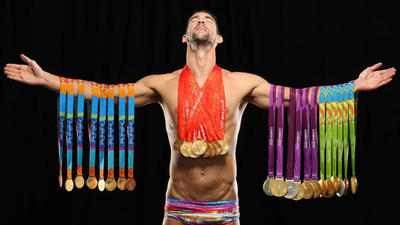
The boy who struggled to sit still in class went on to become the most decorated Olympian in history. Michael Phelps’s journey from an energetic child with ADHD to a swimmer with 28 Olympic medals is one of the most remarkable stories in sport. But his success was not built on a diagnosis alone. It came through years of swimming, the support of his mother, the guidance of coach Bob Bowman and a level of preparation that helped him handle even the most unexpected problems in a race.In 2008, during the Beijing Olympics, Phelps’s goggles filled with water in the middle of the 200-metre butterfly event final. He could not see the wall. He still won gold and broke the world record. The incident captured something that had defined his career for years. When conditions changed, he had a plan.
10 Sept 2026 | 12:19
What’s one thing you swore you’l never do as a parent now you find yourself doing?
The child who found his focus in a swimming pool
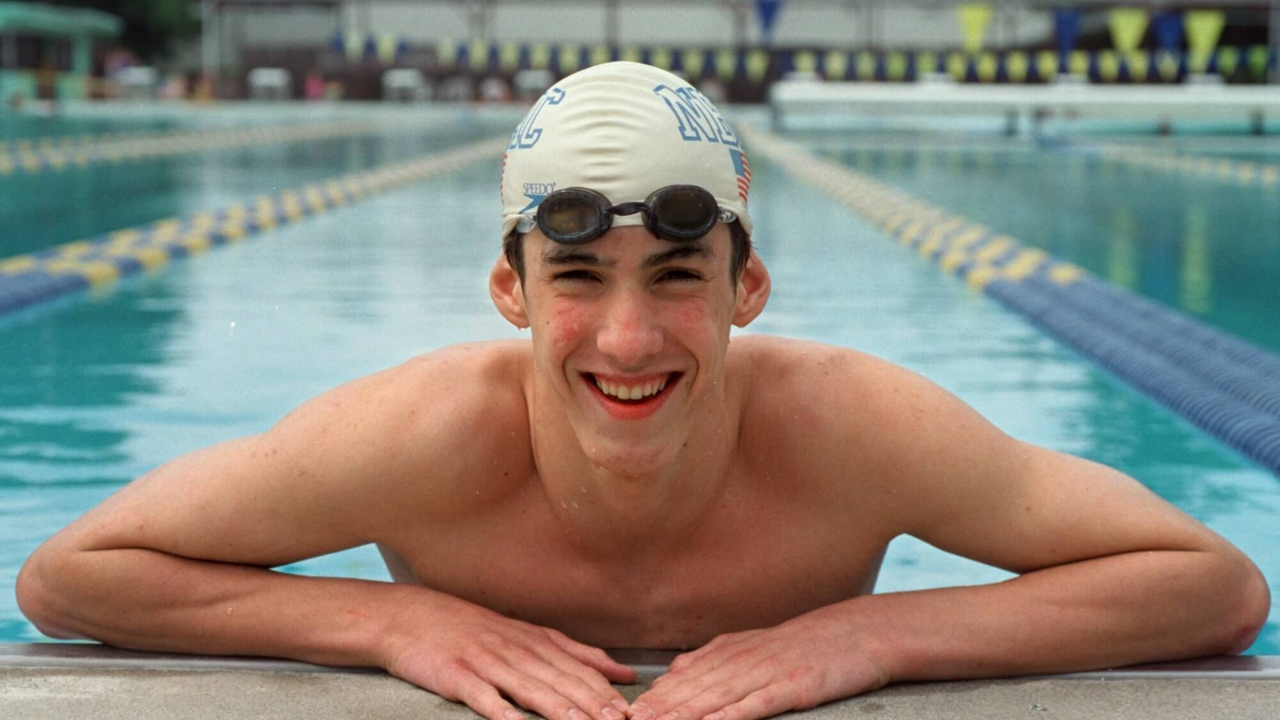
He began swimming at a young age, and by the time he was 10, he was nationally ranked.
Phelps was born on June 30, 1985, in Baltimore, Maryland. He was the youngest of three children and grew up with his two older sisters, Whitney and Hilary. His parents divorced when he was young. His mother, Debbie Phelps, was a schoolteacher who played an important role in his early life. Phelps has spoken openly about being diagnosed with attention deficit hyperactivity disorder in sixth grade. In his 2008 autobiography, No Limits: The Will to Succeed, he described the difficulties he faced in school, including struggling to sit still and pay attention.Swimming offered him a different experience. He began swimming at a young age, and by the time he was 10, he was nationally ranked. The pool gave him an activity that held his attention and allowed him to use his energy. His mother supported his interest, taking him to practices and competitions. It was not an overnight transformation. Phelps gradually developed into a serious swimmer, and at the age of 11, he began training with Bob Bowman. That partnership would shape the rest of his career.
Bob Bowman saw potential in Michael
Bowman was known for his demanding approach to training. Phelps, meanwhile, was energetic and often found it difficult to stay still. The coach recognised his potential and began building a programme around him. In a 2008 CNN interview, Bowman spoke about the intensity of Phelps’s training. He said the swimmer had trained every day for about five years, including Christmas and his birthday. The schedule was demanding, but it was also carefully structured. Phelps later recalled Bowman’s approach in his autobiography. The coach wanted him to be prepared for the moments when a race did not go according to plan.
Five years of training, and a race he could not see
Phelps made his Olympic debut at the 2000 Sydney Games, aged 15. He did not win a medal, but he reached the final of the 200-metre butterfly. By the 2004 Athens Olympics, he had become one of the world’s leading swimmers. He won six gold medals and two bronze medals. His next target was Mark Spitz’s record of seven gold medals at a single Olympics. At the 2008 Beijing Games, Phelps entered eight events. He won his first three races and then faced the 200-metre butterfly final.The race appeared to be going as planned until his goggles began filling with water. By the final stretch, he could no longer see the wall clearly. Instead of stopping or changing his rhythm, Phelps relied on his training. He counted his strokes and continued swimming towards the finish. He touched the wall in 1:52.03, setting a new world record. It was his fourth gold medal of the Games. The moment was later remembered as one of the most dramatic races of his career. It also showed why preparation was such a central part of Bowman’s coaching.
Eight gold medals and a record that changed Olympic history
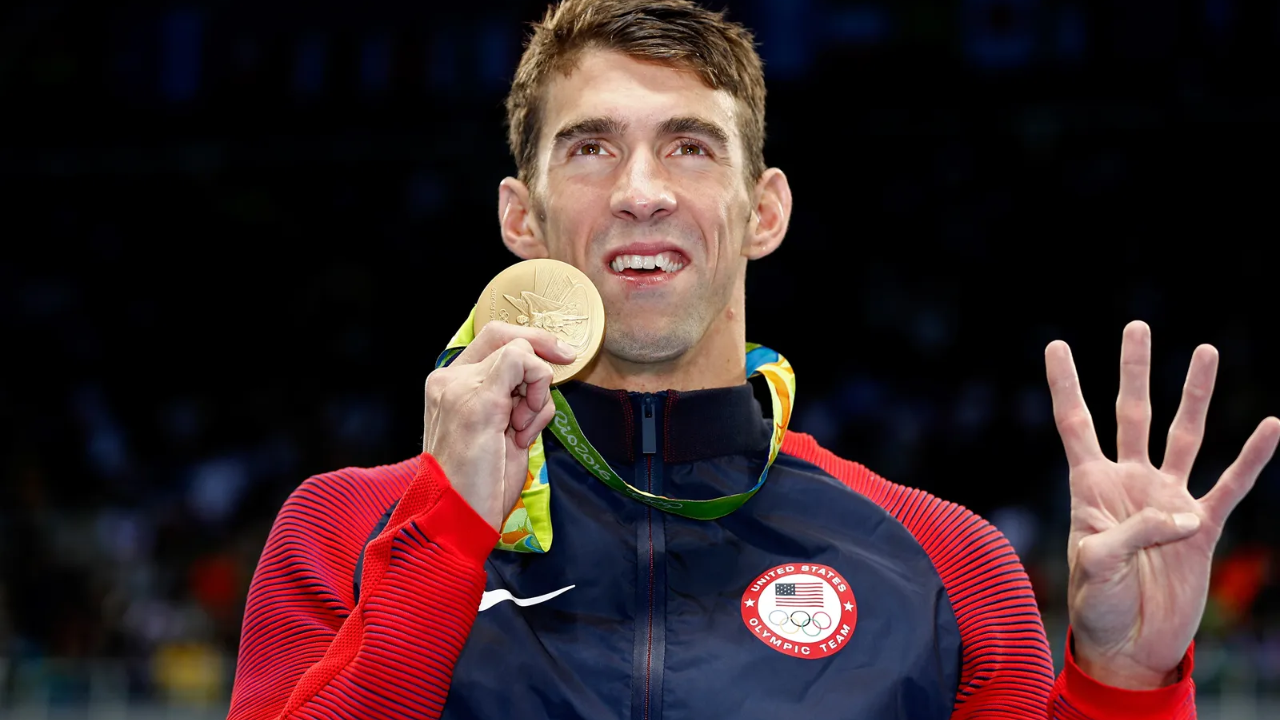
Phelps finished his Olympic career with 28 medals, including 23 golds.
Phelps went on to win eight gold medals at the Beijing Olympics. He had surpassed Spitz’s record of seven gold medals at one Olympics. Phelps finished his Olympic career with 28 medals, including 23 golds. No individual athlete has won more Olympic medals. He retired after the 2016 Rio Olympics, having competed at five Games from 2000 to 2016.Phelps’s childhood is often presented as a story of a weakness becoming a strength. But the facts are more useful than the slogan. He had ADHD. He found swimming engaging. His mother supported his interest. Bob Bowman helped him develop as an athlete. Years of training turned that ability into an extraordinary career. That does not mean ADHD automatically gives someone an advantage in sport. It does not mean every child with ADHD will discover an Olympic talent. Phelps’s experience was his own.The broader lesson is that children can need different environments and different ways of learning. A child who struggles to sit through a classroom lesson may still be deeply interested in a sport, art, music, building or another activity. That interest can become a place to build confidence and learn discipline.
What parents can take away from this
Find what holds your child’s attention: If a child struggles with homework but spends 30 minutes building with blocks, drawing or playing football, pay attention to that difference. It may help parents understand how the child engages with activities.Do not reduce a child to a diagnosis: ADHD is one part of a child’s life, not their entire identity. Parents can focus on specific difficulties and practical support instead of repeatedly telling a child that they cannot concentrate.Support interests without creating pressure: Swimming became Phelps’s career, but children do not need to become champions for their interests to matter. Let them enjoy an activity, develop skills and find confidence without turning every hobby into a competition.Teach preparation for mistakes: The goggles incident offers a simple lesson: practise what to do when something goes wrong. At home, parents can help children make plans for forgotten homework, difficult questions or a disappointing result.