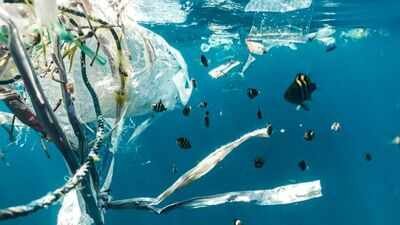
The Ocean Cleanup has secured $121 million in funding in 2026 to expand its efforts to prevent plastic waste from reaching the oceans, with a programme targeting 30 major polluting cities across Asia and the Americas. The initiative aims to stop up to one-third of plastic entering the oceans through rivers by 2030, marking a significant expansion of the organisation’s work. Backed by The Audacious Project, the funding will support the deployment of river-cleaning technology, local partnerships and citywide pollution control efforts as the non-profit seeks to address plastic waste before it reaches marine ecosystems.
How will The Ocean Cleanup stop river plastic pollution in 30 cities
According to The Ocean Cleanup, The Audacious Project has committed $121 million towards its 30 Cities Program. The donation represents part of the $350 million the organisation estimates it needs to complete this stage of its mission.The programme builds on years of work intercepting plastic in rivers and aims to move beyond individual waterways towards a coordinated approach covering entire cities. The Ocean Cleanup believes this strategy can make deployments faster, reduce costs and increase the amount of waste prevented from entering the sea.The initiative focuses on some of the world’s most polluting coastal urban centres, particularly in South-East Asia and the Americas. These locations have been selected using scientific analysis and operational experience to identify places where interventions could have a substantial effect on ocean-bound plastic.The organisation announced its 30 Cities Program in June 2025 at the United Nations Ocean Conference in Nice. Its initial announcement described the programme as a major scaling step, following five years of experience across 20 of the world’s most polluting rivers.
Why are cities central to the programme
The Ocean Cleanup’s June 2025 press release explained that citywide deployments allow the organisation to address multiple plastic-emitting waterways through a common network of local partners. Rather than treating each river as a separate project, the approach seeks to tackle pollution across the urban water system.The organisation identified Mumbai as an important early location, reporting that mapping of its waterways had been completed and preparations for initial deployments were under way. Panama City was also highlighted as an early deployment location.Other cities mentioned in its expansion plans included Manila, Montego Bay, Jakarta, Kuala Lumpur, Bangkok and Los Angeles. The March 2026 funding update subsequently named several locations expected to receive Interceptor systems during the year.These included Barranquilla in Colombia, Santo Domingo in the Dominican Republic, Mumbai, Jakarta, Denpasar and Tasikmalaya in Indonesia, Kuala Lumpur, Panama City and the Manila Bay region.
How does the technology intercept plastic before it reaches the sea
The programme relies on The Ocean Cleanup’s Interceptor systems, which are designed to collect floating rubbish carried downstream by rivers. These installations form part of the organisation’s wider strategy to stop plastic at its source rather than attempting to remove it only after it has entered the ocean.The June 2025 press release described an extensive assessment process before any system is installed. Teams use aerial drones, artificial intelligence-assisted image analysis and GPS-tagged test plastics to map waterways and understand how rubbish travels from streets into rivers and eventually towards the sea.This information helps determine where Interceptors can be positioned most effectively. It also establishes a baseline against which progress can be measured, allowing projects to assess how much pollution is being intercepted over time.The programme is not limited to collecting floating rubbish. The Ocean Cleanup also intends to remove accumulated waste from nearby coastlines, mangroves and coral reefs. These activities are designed to complement river interception by addressing plastic already deposited in surrounding ecosystems.
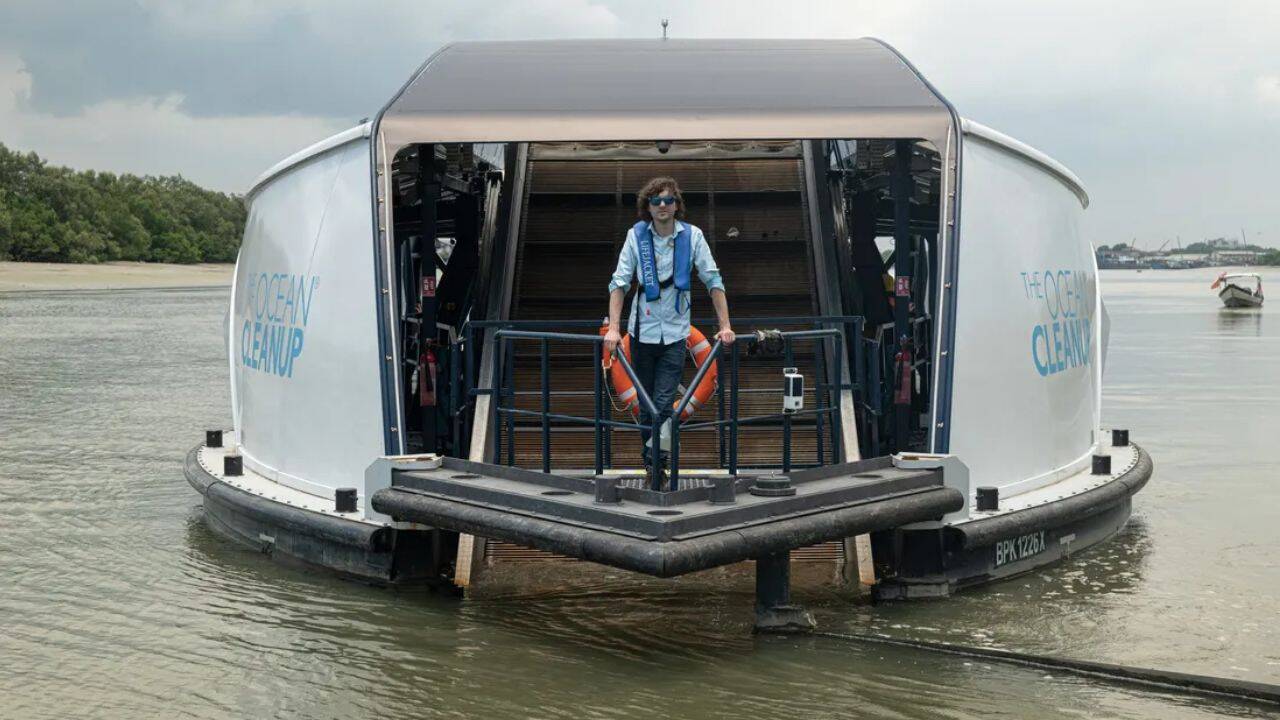
Image Credit: The OCEAN Cleanup
What has the organisation achieved before its expansion
The 30 Cities Program follows years of development and deployment across rivers and oceans. The Ocean Cleanup’s June 2025 announcement reported that its systems had prevented more than 29 million kilograms of trash from reaching the ocean.By March 2026, the organisation reported a considerably larger milestone. Its funding update stated that nearly 50 million kilograms of rubbish had been prevented from reaching the ocean, reflecting progress through its river operations and wider cleanup activities.The Ocean Cleanup’s main website subsequently displayed an even higher cumulative figure, exceeding 65 million kilograms of rubbish removed from the environment. It also reported that its river operations were stopping an estimated 2–5% of global river-borne plastic emissions.These figures illustrate the organisation’s expanding operational experience, although the 30 Cities Program is intended to take its river interception work to a substantially larger scale.
The programme will benefit communities beyond cleaner oceans
The organisation’s plans include working with local authorities, waste-management partners and communities to improve the handling of rubbish. Its June 2025 press release said these partnerships would support better waste management and greater public awareness alongside the deployment of cleaning technology.The Ocean Cleanup’s website describes how river pollution affects livelihoods and daily life in communities near waterways. In Indonesia, for example, local fishermen have reported difficulties caused by rubbish collecting around boats and interfering with fishing activities.The organisation also describes improvements in communities near its existing installations, including cleaner coastlines and renewed opportunities for residents to use beaches. These examples form part of its argument that intercepting waste upstream can benefit people living close to polluted rivers.The 30 Cities Program is expected to support similar environmental improvements through its combination of river interception, coastal cleanup and local cooperation.The initiative represents a major step towards The Ocean Cleanup’s longer-term ambition to remove 90% of floating ocean plastic pollution by 2040.