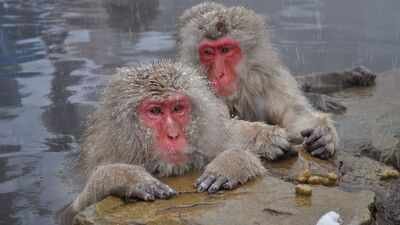
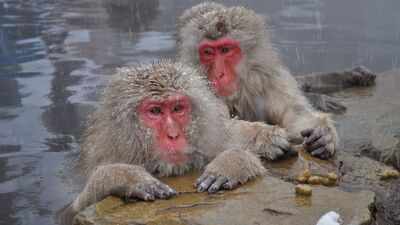
The relocation of 38 macaques from Japan to Austria in 1996 created a unique opportunity to follow a primate population from its first days in a new environment. The animals were moved from the Minoo-H group in Osaka Prefecture to Affenberg Landskron, a forested enclosure in southern Austria. Over the following 23 years, the group grew steadily, reaching 160 individuals by January 2020. A study published in the journal Primates examined the population’s births, deaths, reproduction and social structure, revealing how the group developed over more than two decades.
How 38 Japanese macaques grew into a population of 160 in Austria
The 38 macaques arrived in August 1996 after being moved from Japan. The founding group consisted of 13 sexually mature females, 10 younger females and 15 immature males. No adult males were among the animals brought to Austria. After 12 days of quarantine and medical checks, they were released into a 4-hectare enclosure of natural forest at Affenberg Landskron. The site included spruce trees, shrubs, grassland, swampy areas and a small stream, giving the macaques space to move and forage.The population experienced a small decline during its first year, but recovered quickly. One year after arrival, it recorded its highest annual growth rate of 25%. By 1 January 2020, the group had reached 160 individuals. Across the 23-year period, 262 macaques had lived in the group at some point, showing that the population was shaped not only by births but also by deaths over time.The researchers had access to detailed records. Affenberg staff monitored the macaques daily and recorded births, deaths, injuries and other important events. Individual animals were recognised by their facial and body features rather than being marked for identification. This long-running record allowed the researchers to examine changes in the group from its arrival through to 2020.
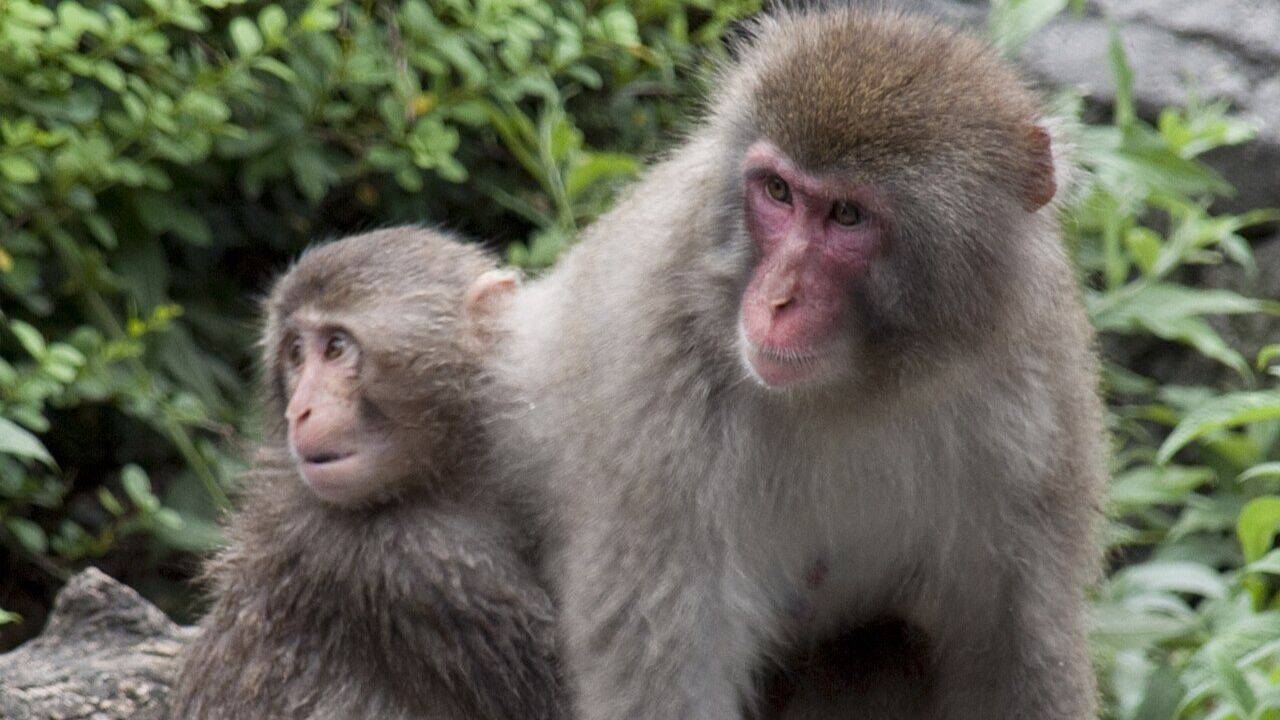
Mother with infant. Image Credit: Wikipedia
Food and management supported the macaques’ reproduction and growth
Food availability was an important part of life at Affenberg. The macaques could eat natural vegetation, including leaves, seeds, bark, roots, flower buds and insects, but this was not considered sufficient throughout the year. The group received additional food, with supplies adjusted according to its size and the seasonal conditions.By January 2020, when there were 160 macaques, the daily provisions included around 8–10 kilograms of wheat, 80 kilograms of apples, 20 kilograms of carrots and 60 kilograms of potatoes. Food was spread around the enclosure so that higher-ranking animals could not easily monopolise it.The study recorded 223 births between 1997 and 2019, including 104 females, 116 males and 3 whose sex could not be determined. Most females that reproduced for the first time did so between four and five years of age, with the average age at first birth being 4.92 years. The oldest female to give birth was 19.3 years old.Births were not evenly spread throughout the year. Apart from two unusual births, the birth season ran from mid-March to late July, with the largest numbers occurring in late April and late May. The timing did not differ according to whether the mother was giving birth for the first time or previously had offspring.
Why did some mothers have another infant sooner
The time between births varied considerably. Across the population, the average interval was 1.68 years, although individual intervals ranged from 0.88 to 4.31 years. One notable pattern appeared after the loss of an infant. Females gave birth again after an average of 1.10 years when their previous infant had died, compared with 1.77 years when the infant survived.The researchers also found that not every reproductively capable female gave birth each year. On average, about 51% of females that were capable of reproducing gave birth in the following year. Reproduction was also deliberately limited by the park’s management. Since 2000, selected females had undergone tubal ligation to prevent overcrowding, while efforts were made to keep sexually intact females from each maternal family line.
The macaque population changed as the animals grew older
The population gradually changed from a group dominated by younger animals into one containing a substantial number of older macaques. When the founders arrived, 60.5% were younger than 4 years, while none was older than 18. By January 2020, 22.5% were younger than four and 17.5 percent were older than 18. The oldest living animals at that point were a 32-year-old female and a 23-year-old male.Deaths were also recorded throughout the study. There were 102 deaths, including 43 females, 56 males and 3 individuals whose sex was unknown. Confirmed causes included severe wounds, infections, blunt trauma and cancer, although the cause was not always possible to establish. Infant mortality was relatively low, with 20 of 223 live-born infants dying before reaching one year, giving a rate of 8.97%.
The group developed its own long-term social structure
The macaques also formed stable family lines and social relationships. By 2020, the population contained 11 intact maternal lines, ranging from 5 to 16 members. The study also followed changes in the positions of high-ranking males over the years. Alpha and beta male positions changed 4 times during the study period, without aggressive takeovers reshuffling the leading positions.DNA-based paternity work using hair samples identified fathers for 43 of 85 sampled offspring. Those offspring were linked to 19 fathers, with each father responsible for between 1 and 5 of the sampled young. Most mating pairs examined were not genetically related.