With countries fighting wars and natural calamities sweeping away civilisations, it seems a global collapse might be a spark away. But the possibility of entire humanity vanishing off the face of Earth seems a little less plausible with the years of effort we have spent preparing solutions for such situations. However, not everyone can be saved. The situation seems like a classic battleground for Charles Darwin’s theory of survival of the fittest. But who is the fittest of them all? Which countries will be able to survive famines, earthquakes and anything that comes their way?Two peer-reviewed studies identified a group of seven island nations that are the most resilient in terms of maintaining a society or food production during extreme global collapse scenarios, as per a report by Daily Galaxy. An analysis published in Sustainability in 2021 assessed which countries would be able to preserve complex social and technological systems after a widespread international crisis. The researchers utilised data from the Global Adaptation Index of the University of Notre Dame, known as ND-GAIN. This indicator measures nations’ preparedness and vulnerability to environmental changes.Based on the combination of high readiness and low vulnerability, the scientists analysed five countries concerning food production, energy sources, manufacturing capacity, geographic location, and adaptability to climatic conditions. The nations examined were New Zealand, Iceland, the United Kingdom, Australia and Ireland.
New Zealand at the top
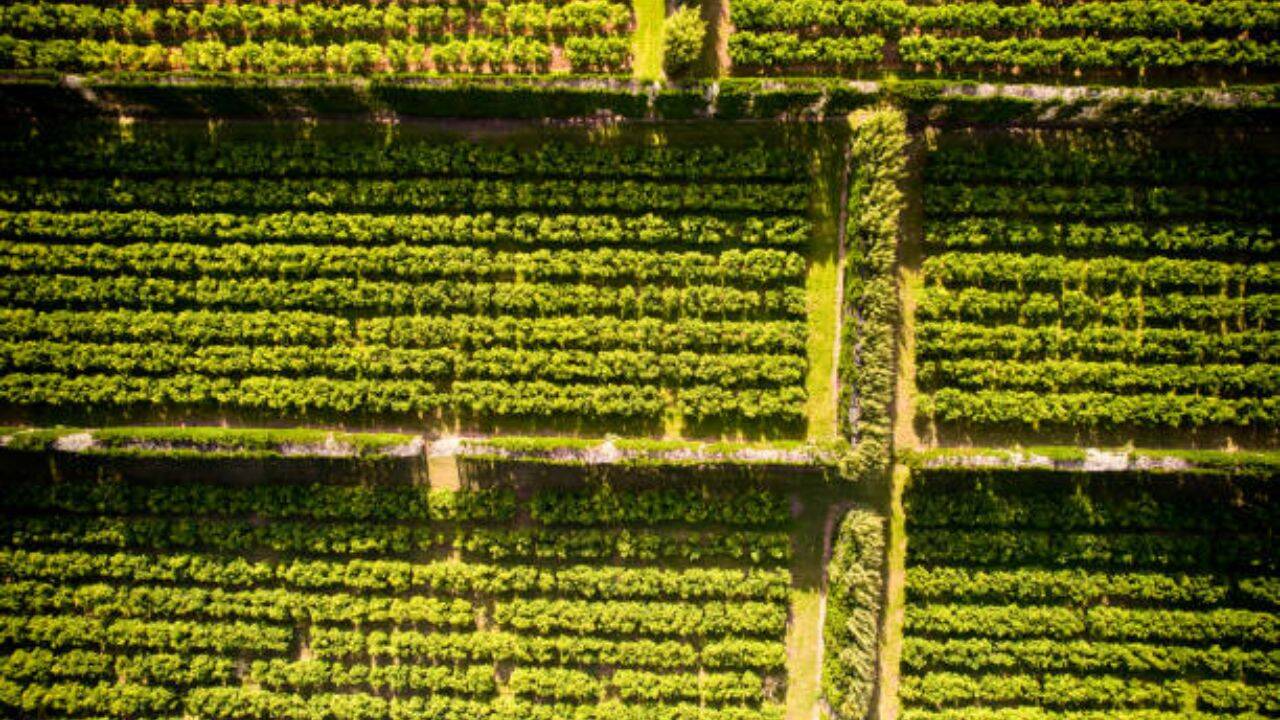
New Zealand’s performance was boosted by its geographic isolation and local availability of energy and agriculture.
Among the countries assessed, New Zealand ranked the highest with an initial score of 6.5. Following it, Iceland reached 1.2, while the United Kingdom and Australia recorded 1, and Ireland scored 0.6.New Zealand’s performance was boosted by its geographic isolation and local availability of energy and agriculture. However, researchers emphasised that the country’s industrial base is limited and there is exposure to natural risks. Moreover, the extent of agricultural land does not guarantee an exact measure of a population’s carrying capacity. Australia possesses vast agricultural areas, but much of it consists of pastures rather than arable land.
Nuclear winter scenarios put Australia in lead
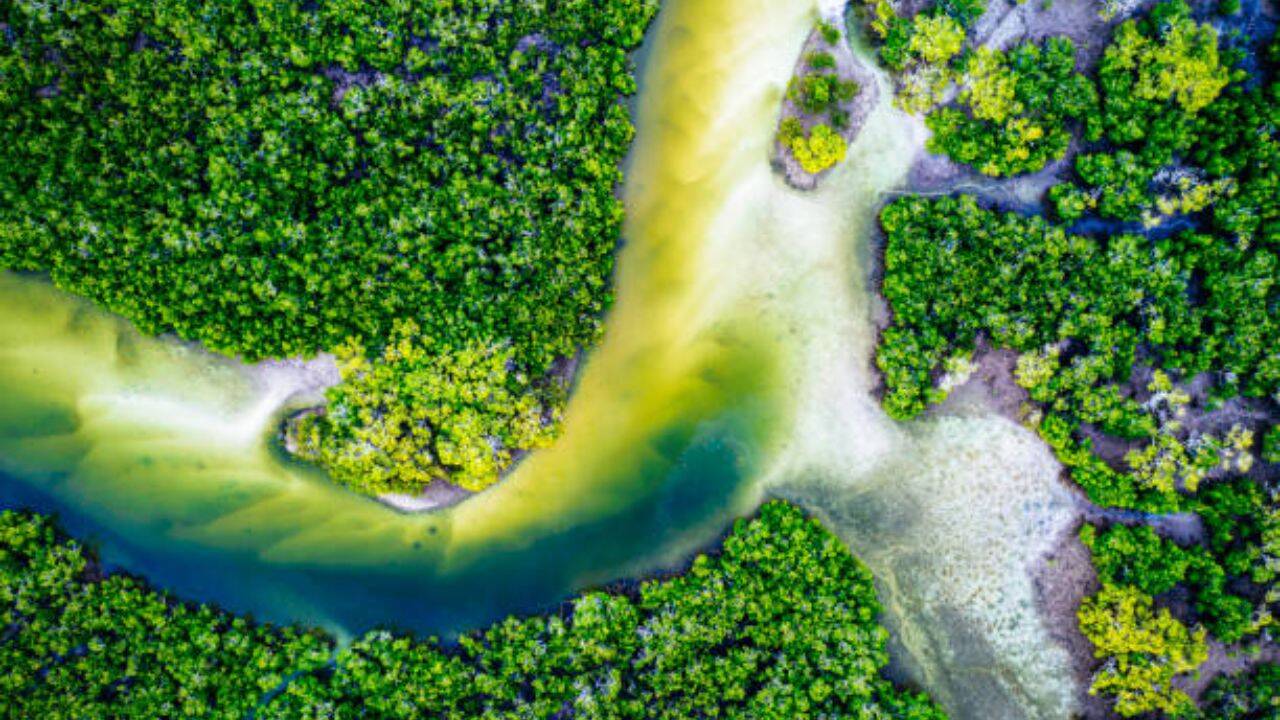
Australia achieved the best overall performance in the simulation, reaching a modelled food self-sufficiency of 16,069 kilocalories per person per day.
A following Risk Analysis study focused on the survival of 38 island nations in scenarios of drastic reduction in sunlight caused by nuclear war, major volcanic eruptions or asteroid and comet impacts. The research modelled emissions of 5, 27, and 150 teragrams of soot in the atmosphere, assessing variations in agricultural output and marine fishing. The countries were compared based on 13 factors, including infrastructure, communication, healthcare, political stability, and trade.In the most severe scenario of 150 teragrams, Australia, New Zealand, Iceland, Vanuatu, and the Solomon Islands were able to maintain food production above 2,200 kilocalories per person per day, a basic parameter adopted by the research.Australia achieved the best overall performance in the simulation, reaching a modelled food self-sufficiency of 16,069 kilocalories per person per day. The authors put the margin unusually plainly: “Australia’s food supply buffer is gigantic.” Its enormous food reserves, infrastructure, sanitary security, and defensive capacity reinforced this result.
Trade vulnerability and import dependency pose risks
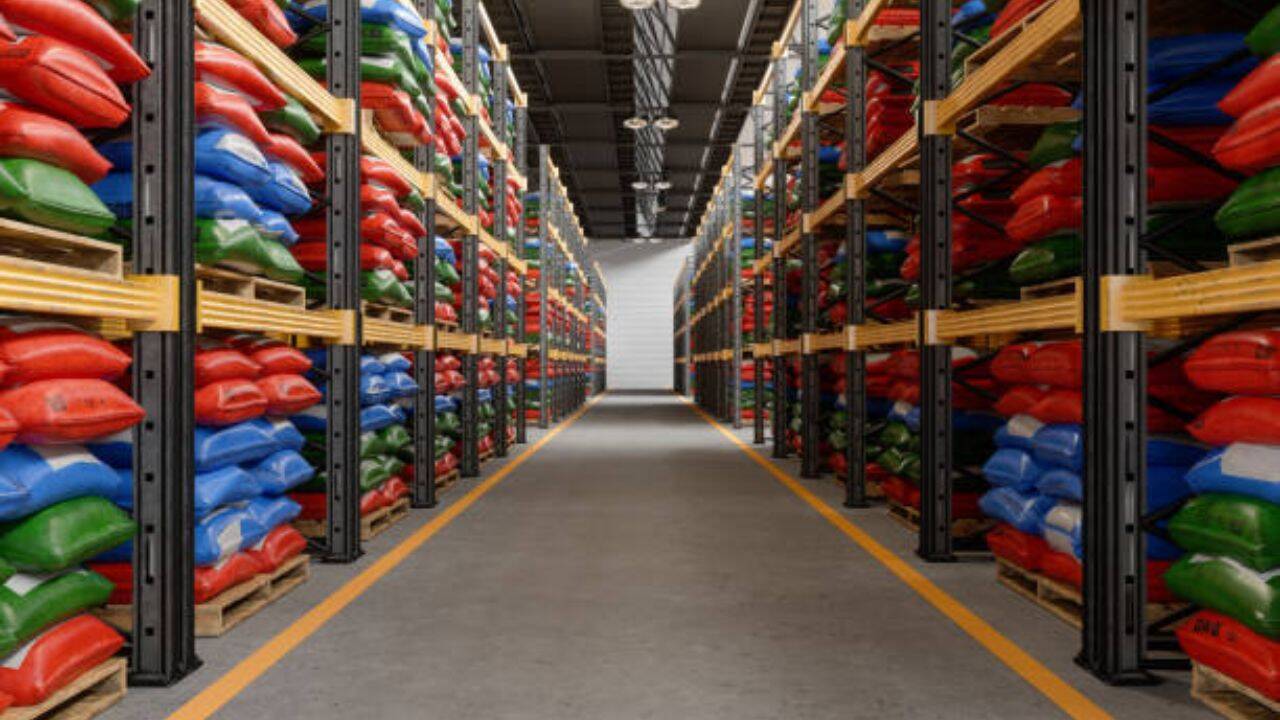
Both Australia and New Zealand rely on imports for fertilisers, machinery, equipment, and petroleum products.
Despite high agricultural capacity, the studies indicate that food reserves don’t eliminate the need for international trade. Both Australia and New Zealand rely on imports for fertilisers, machinery, equipment, and petroleum products.Australia faces a greater risk of political exposure during a nuclear conflict due to military alliances with the United States and the United Kingdom. New Zealand, on the other hand, projects a loss of 60.9% of its agricultural capacity in the 150 teragrams scenario.Despite the decline, New Zealand’s original production exceeds the basic calorie targets. Simply redirecting dairy exports, such as milk powder, cheese, and butter, would cover 132% of the projected energy needs for its population. The expert warned about the external dependency on diesel fuel, pesticides, and spare parts.This vulnerability became more critical after New Zealand lost its only oil refinery in 2022. Currently, the country has no domestic production of refined fuels and relies entirely on supply from abroad.