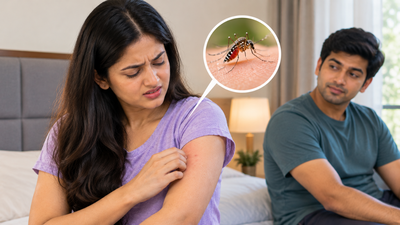
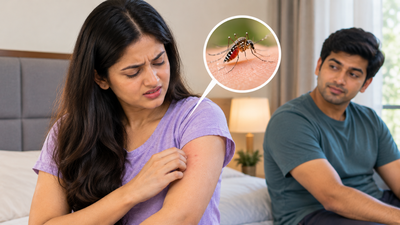
You are sitting beside a friend on a Sunday evening. Both of you are in the same room, wearing similar clothes, and neither is doing anything to attract mosquitoes. Yet, by the next morning, your arms and legs are covered in itchy bumps while your friend has barely noticed a bite. Why does this happen? Some people do seem to attract mosquitoes more than others, and researchers have been investigating the reasons. Your blood type may play a role, but it is not the only factor. The carbon dioxide you breathe out, the chemicals on your skin and the way mosquitoes detect their surroundings can all influence whom they approach.
Do mosquitoes prefer people with type O blood?

Photo: Canva
One explanation often discussed is blood type. A 2004 study published in the Journal of Medical Entomology examined how Aedes albopictus mosquitoes, commonly known as Asian tiger mosquitoes, landed on people with different ABO blood groups. In tests involving 64 human volunteers, the researchers found that mosquitoes landed more frequently on people with type O blood than on those with other blood groups. However, the difference was statistically significant only when type O was compared with type A. The study does not establish that all mosquito species prefer people with type O blood. It also does not mean that blood type alone determines who gets bitten most often. Blood type is therefore one possible part of the explanation, not a reliable way to predict whether someone will become a mosquito’s target.
Your skin may be giving mosquitoes clues
A more detailed explanation comes from the chemicals naturally released by human skin. A 2022 study investigated why some people consistently attract more mosquitoes than others. Researchers assessed the attractiveness of skin odours from 64 participants to female ‘Aedes aegypti’ mosquitoes, the species that can spread dengue, Zika, chikungunya and yellow fever. The team found that people who attracted more mosquitoes had higher levels of certain skin-derived compounds called carboxylic acids. These substances are associated with the oils and other compounds produced by the skin. The differences in attractiveness remained relatively stable over several years. This suggested that some people may have a persistent chemical signature that mosquitoes find particularly attractive.The research offers an important clue about why one person may attract more mosquitoes than another, even when they are in the same environment. However, the study found an association between skin chemicals and attractiveness; it did not establish that carboxylic acids alone explain every difference in mosquito behaviour.
Mosquitoes can detect you before they land
Mosquitoes do not rely on a single signal to find a person. They use several cues to locate potential hosts. According to the US Centers for Disease Control and Prevention (CDC), mosquitoes have specialised sensory organs that detect carbon dioxide in a person’s breath. This helps them identify the presence of a potential host. As they get closer, mosquitoes can respond to odours, body heat and other cues. The combination helps them locate exposed skin and decide where to land. This is why simply being in the same room does not guarantee that two people will attract the same number of mosquitoes. Differences in their chemical signals, along with the conditions around them, may influence how attractive they are to the insects.
Why do some people seem to get more bites than everyone else?
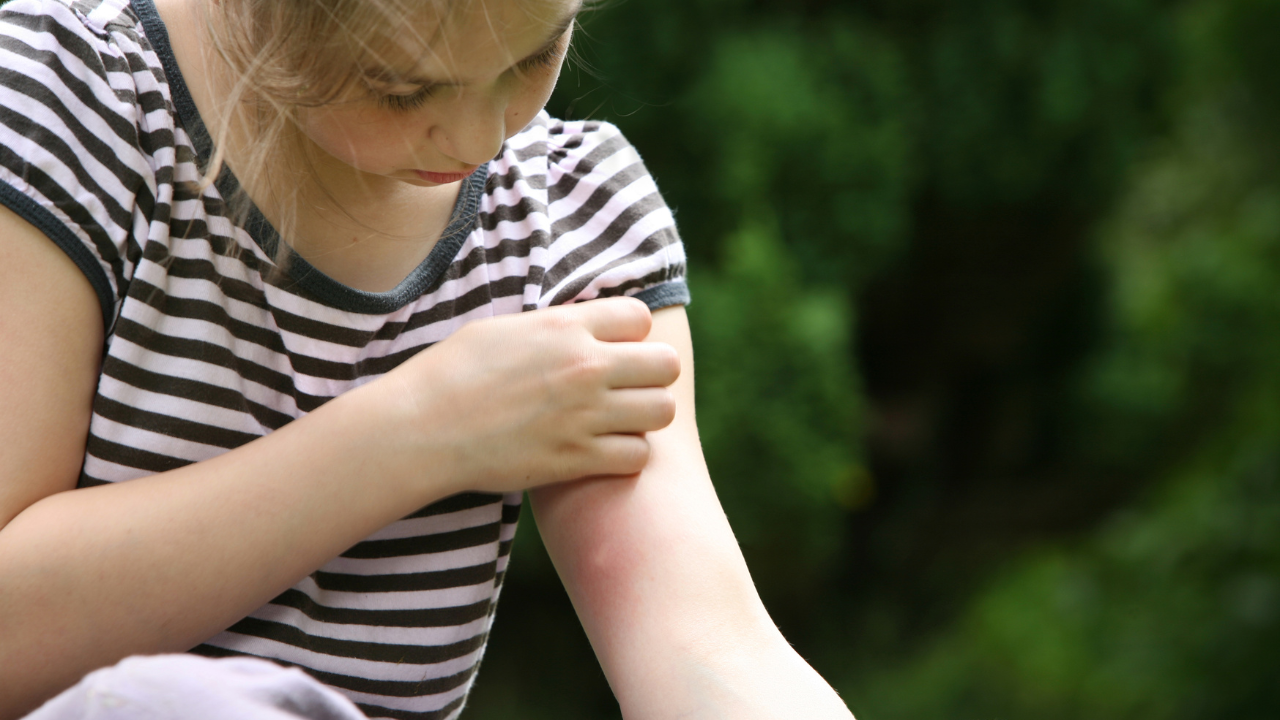
If mosquitoes seem to favour you over your friends or family, your blood type could be one factor, but it is unlikely to tell the whole story.
Several factors may help explain the difference:
- Skin odour: Natural compounds produced by the skin and its resident microbes can affect how attractive a person is to mosquitoes.
- Carbon dioxide: Mosquitoes use the gas released when people breathe to help locate potential hosts.
- Body heat and moisture: These provide additional cues that mosquitoes can use when approaching a person.
- Mosquito species: Different species can respond differently to human signals, so findings about one species may not apply to all mosquitoes.
- The body’s reaction to bites: Some people develop large, itchy bumps, while others have much milder reactions.
The last point is particularly important. A person who wakes up with several large, red bumps may assume that mosquitoes have bitten them far more often than everyone else. But the appearance of a bite also depends on the person’s immune response. More noticeable bumps do not necessarily mean more bites.
Can you stop mosquitoes from choosing you?
You cannot reliably change your natural skin chemistry or blood type to avoid mosquito bites. But you can reduce your exposure. Experts recommend using effective insect repellents containing ingredients such as DEET or picaridin, following the product label. Wearing loose-fitting, long-sleeved clothing and trousers can also help protect exposed skin. Window screens and mosquito nets offer additional protection, while removing standing water around the home helps reduce mosquito breeding. These precautions matter because mosquito bites can transmit infections, including dengue and malaria, depending on the mosquito species and the pathogens it carries.
The real reason mosquitoes may keep coming back to you
If mosquitoes seem to favour you over your friends or family, your blood type could be one factor, but it is unlikely to tell the whole story. Research suggests that the natural chemicals on your skin can make a difference, while carbon dioxide, heat and other signals help mosquitoes find their targets. The science is still developing, and no single factor explains every bite. So, the next time you are the only person reaching for a mosquito repellent, remember that the insects may be responding to a combination of signals your body produces naturally.