A tree brought to Hawaii for its berries later became a problem for native plants in Hawaii Volcanoes National Park. Faya, or Morella faya, is native to the Canary Islands and was most likely brought to the Hawaiian Islands by the Portuguese in the 1800s. It was introduced as an ornamental plant and for its berries, which were used to make wine.According to the National Park Service (NPS), the tree later became a problem for native plants, and it is now found throughout Hawaii Volcanoes National Park. By 1937, however, faya was considered an invasive species. It is found throughout the park, where it can hinder the growth of native plants by changing soil pH and shading native understory species.
Faya became an invasive species after being introduced to Hawaii
Faya was most likely brought to the Hawaiian Islands by the Portuguese in the 1800s as an ornamental plant and for its berries. Those berries were used to make wine. Faya was later used in reforestation efforts, but it was already considered invasive by 1937.The National Park Service lists Faya among invasive plants at Hawaii Volcanoes National Park. The species is found throughout the park, where it affects native plants by changing the soil pH and shading native understory species. Its history shows how a plant introduced for useful purposes later became an invasive species in Hawaii.
Why is Faya a threat to Hawaii’s native plants
Hawaii’s native plants evolved in remote conditions, adapting to the islands’ environment over time. Native plants developed their own special niche and a fragile balance in the remote island chain. The National Park Service says native plants face tremendous threats from alien invasive plants brought by humans, which displace them from their habitat.Faya is one such introduced plant, as it is found throughout Hawaii Volcanoes National Park, where its growth can alter the environment around other plants. The tree changes soil pH and forms shade that can limit native understory plants. These effects can make it harder for native vegetation to grow where faya spreads.
How birds helped Faya spread across Hawaii
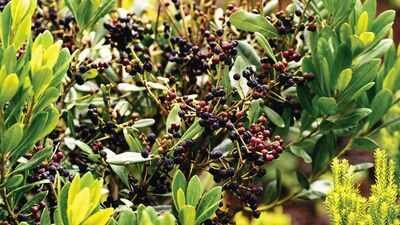
Faya can also spread through the movement of its berries. The National Park Service describes the tree as producing small flowers that develop into black or red berries. Birds eat these berries and spread them. This helps explain how faya spread beyond the areas where it was originally planted and now occurs across the park.The tree begins with a shrub-like appearance and smooth, light coloured bark before growing into a medium-sized tree. Its leaves are oblong, toothed, and dark green, while new growth has a bright green hue. Its berries help spread the seeds to new areas because birds eat and spread the berries.
What methods are used to control the invasive Faya
Faya is controlled by girdling the trees and applying herbicide to control the spread of faya. These efforts are important because native plants evolved in the islands’ remote setting, where they developed their own specialised niches and a fragile natural balance.Invasive plants introduced by people can disrupt that balance and displace native species from their habitats. Faya is an example of how an introduced plant can affect Hawaii’s native vegetation.