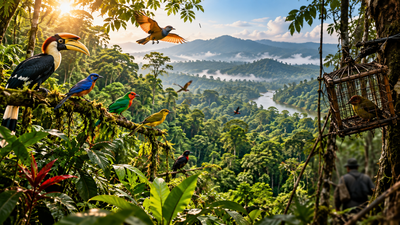
Zinave National Park in Mozambique lost much of its wildlife during a 16-year civil war. Werner Myburgh of Peace Parks Foundation saw almost no animals there in 2014 and called the silence “like a graveyard”. Peace Parks Foundation says rewilding began in 2016 and 37 rhinos have arrived there since 2022. The herd has produced seven calves, one of them a critically endangered black rhino. According to Conservation International, a male lion recorded in August 2021 was the first seen in Zinave in more than 40 years; the lions made it Mozambique’s first “big five” park.
Why was this African park once called a “silent park”
According to Peace Parks Foundation, a 16-year civil war emptied the park’s landscape of wildlife. Conservation International reports that, like much of Mozambique, Zinave was devastated by the war, and that for 16 years warring factions slaughtered animals for bushmeat. On his first trip through the park in 2014, Myburgh told Conservation International the elephants, giraffes and lions were gone.Myburgh also told Conservation International that there were no bird calls or insects, and that this silence troubled him as much as the missing animals. A decade later, he sat by the Save River in Zinave and watched a pair of African skimmers, which he said he had never seen there before. The same article describes a pod of surfacing hippos, vervet monkeys in the trees and birdsong in the air. Peace Parks has helped the Mozambican government reintroduce 2,400 individual animals into Zinave over the past decade. Peace Parks Foundation states that the operation began in 2016 and that 2,540 animals from 14 species have been relocated to the park to date.
Why was rhino reintroduction needed in Zinave National Park
South Africa’s rhino poaching crisis saw more than a thousand rhinos killed each year in 2014 and 2015. In response, the foundation, with support from various donors, worked with the governments of Mozambique and South Africa to protect the species. This included reintroducing rhinos to suitable habitats. The risk of rhino poaching was significantly lower in Mozambique. It adds that rhinos are now roaming the park for the first time in more than four decades, through a partnership between Mozambique’s National Administration for Conservation Areas (ANAC), Peace Parks Foundation and Exxaro Resources, with the support of the South African government. Exxaro donated the rhinos and made a substantial contribution to the park’s operational costs. Additional funding came from Anglo American, the De Beers Group, Geos Foundation, German Postcode Lottery, the MAVA Foundation and private donors.In 2022, an armed convoy carried 19 white rhinos to Zinave. The outlet describes the journey as the longest overland rhino translocation ever attempted, a 1,000-mile trip from a private game reserve owned by a South African mining company. António Abacar, Zinave’s park warden, told Conservation International that every rhino reached the park safely and that the president of Mozambique attended the release. Two more relocations brought the total to 37 rhinos, including the park’s first black rhinos, according to the same report.
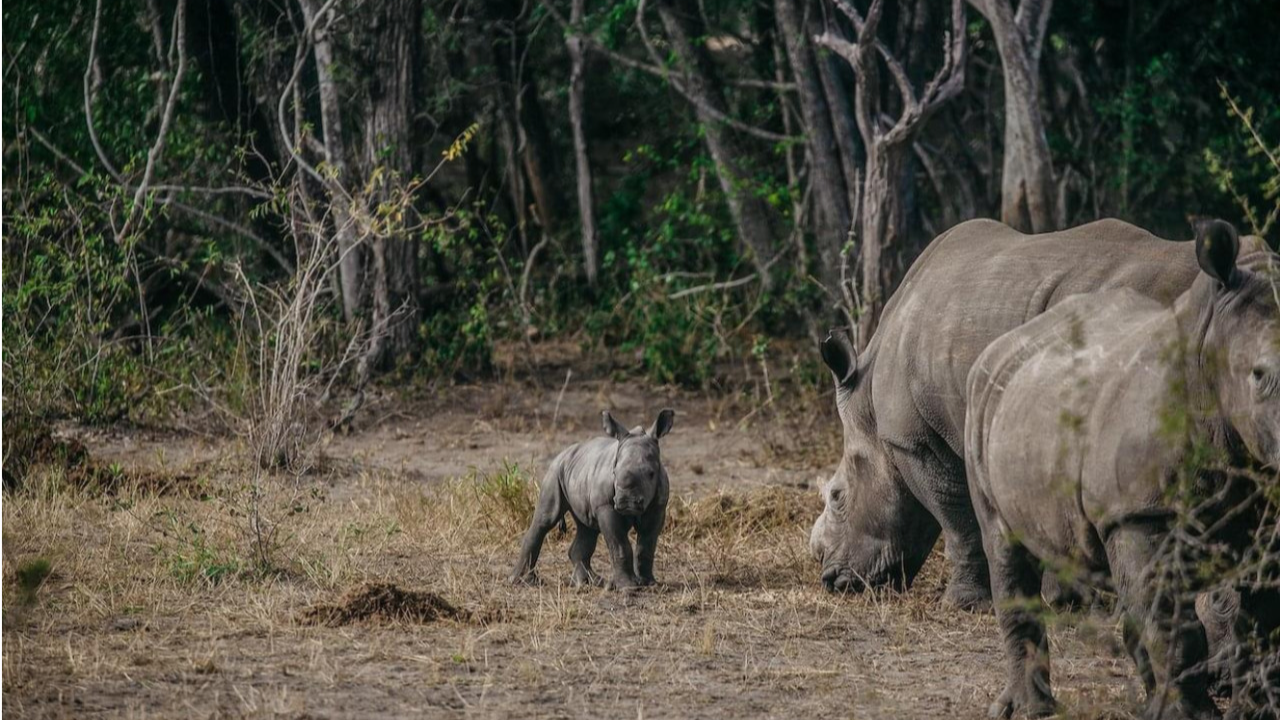
PC: Peace Parks Foundation
How many rhino calves have been born in Zinave National Park
The herd has produced seven healthy calves, one of them a critically endangered black rhino. The foundation says the original black rhinos have settled and established their territories, and that a gender ratio of 1:1 or more females than males is preferred for growing the herd. Bernard van Lente, the foundation’s Head of Operations at Zinave, said the rhinos are doing very well despite a drought. Black rhinos are browsers, and he said the park offers more than 200 tree species. He added that the herd ideally needs to reach a viable population of 20 or more.Around 100 rangers, trained in tracking and countering poaching, protect the species. They are supported by a helicopter, fixed-wing aeroplanes, tracker dogs and what the foundation calls cutting-edge technology, and a rapid reaction force is ready to deploy when suspicious activity is detected. Van Lente said no rhino had been lost in the two years since they were established in the park. Conservation International says the reintroduction was backed by a well-organised anti-poaching team and by EarthRanger, a surveillance system.
How did 250 elephants help restore Zinave National Park
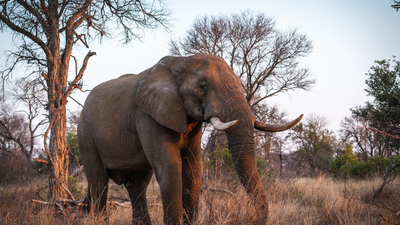
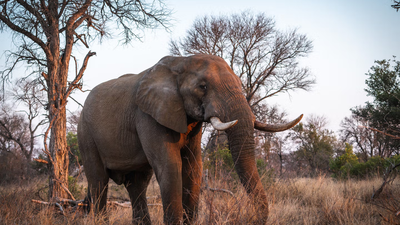
250 elephants now roam Zinave, many relocated from areas where they were in danger of poaching or in conflict with communities. Myburgh told the outlet that the ecosystem began to change visibly once elephants returned. He described them as “architects of the land” that push down trees, open up thickets of invasive plants and create habitats for other species. Peace Parks Foundation states that bringing back keystone species such as rhino, elephant, buffalo, leopard and lion is gradually restoring the park’s biodiversity.In August 2021, a damaged camera trap at the edge of the reserve revealed a male lion, the first recorded in Zinave in more than 40 years. A female and a juvenile were recorded soon after, and three adult males the following year, according to Myburgh. The lions made Zinave Mozambique’s first “big five” park, the outlet says. Conservation International adds that Peace Parks, in partnership with the organisation, is working to link five national parks across South Africa, Mozambique and Zimbabwe into the Great Limpopo, a transboundary park spanning 100,000 square kilometres, which it compares in size to Iceland.