A fabric originally developed through military clothing research has shown an unexpected use in agriculture. Researchers created the fabric while exploring ways to make body armour more comfortable and protect soldiers from mosquito bites. Years later, the same textile idea has been tested over strawberry plants, with striking results. In tunnel field trials, plants covered with the material produced up to 3.56 times more harvestable fruit than uncovered plants. The study, published in Agriculture, also found that the fabric could keep insects away while still allowing light, rain and air to reach the crops.
How did a military clothing fabric become a strawberry cover
The material, known as Plant Armor Gen 2, is a 3-dimensional knitted fabric developed by researchers at North Carolina State University. According to the NC State University, its origins can be traced to work on military textiles. Researchers had been exploring fabric that could sit between a soldier and body armour, while also helping protect against mosquito bites.The agricultural use came later as researchers considered what the unusual structure could do outside military clothing. Instead of lying flat against a surface, the fabric has a three-dimensional arrangement that creates a physical barrier. That structure makes it difficult for insects to reach plants underneath, while the material remains open enough for air and water to pass through.The study examined whether that protection could do more than keep insects away and whether it could actually affect strawberry production.
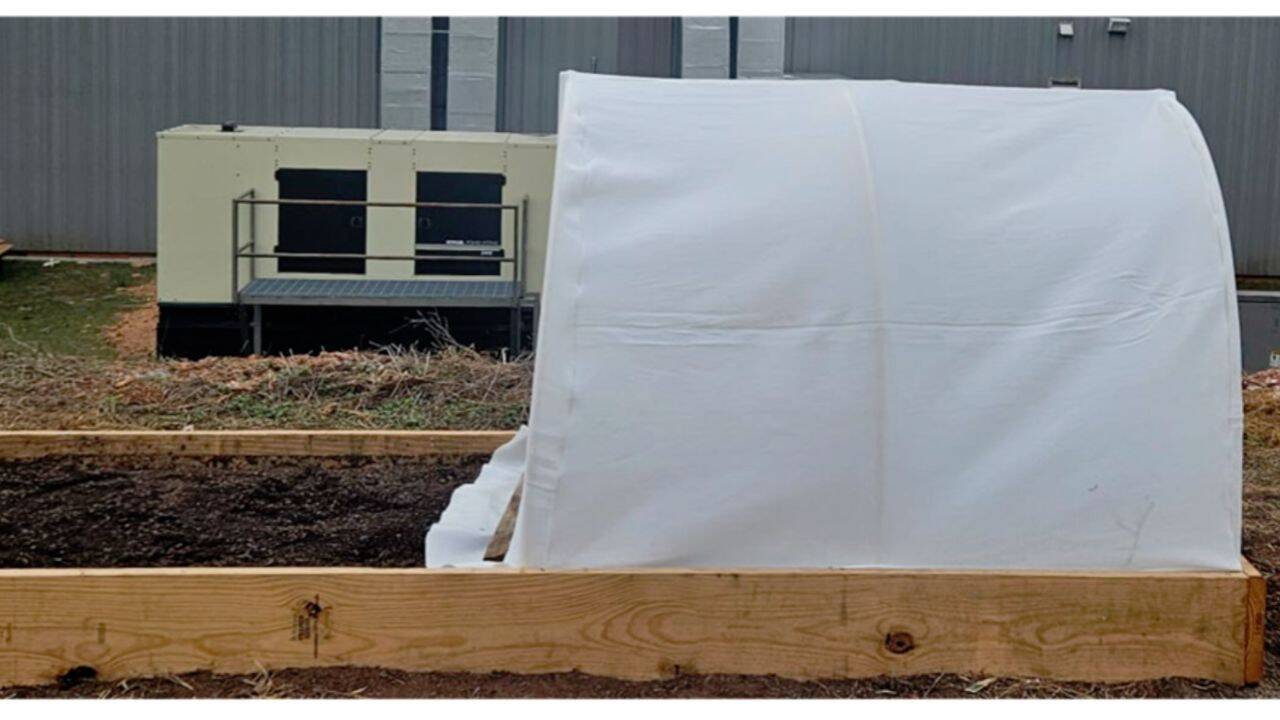
A representative experimental bed with the Plant Armor Generation 2 fabric cover installed over the PVC pipe hoops. Image Credit: MDPI/Study published in Agriculture
What happened when the fabric covered strawberry plants
The study tested the textile on strawberries grown in tunnel field conditions in Raleigh, North Carolina. The researchers selected strawberries because the crop grows across 3 seasons, from autumn through spring, and covers are already used to protect flowers and fruit from freezing.According to the study, covered plants produced 3.56 times as many harvestable fruits as the uncovered plants. Both the number and weight of the fruit were significantly higher under the fabric, while there was no significant difference in the amount of vegetative plant growth.The results were notable because the researchers had another concern when they began the work. A fabric that appeared relatively opaque could have reduced the amount of light reaching the plants. That might have encouraged the plants to put more energy into leaves and stems rather than fruit.Instead, the study found no evidence of that response. The 3-D cover did not trigger the shade-related growth pattern the researchers had expected. NC State University reported that the material did not prevent the plants from accessing light, while fruit production increased substantially.
Why the plants produced more fruit under the cover
One part of the answer appears to be temperature. The study found that covering the plants consistently increased temperature, while relative humidity did not differ between covered and uncovered plots.The NC State article explains that strawberry plants need to accumulate enough heat as they develop. The researchers found that the cover provided a consistent warming effect across the growing period, helping the plants reach the fruiting stage earlier than plants without the textile.The fabric also had another useful feature. Although it created a barrier around the plants, it remained porous to air and water. That meant the cover did not simply seal the strawberries away from their surroundings. Rain and airflow could still reach the plants, while the material made it harder for insects to get through.Laboratory tests reported in the study showed complete exclusion of aphids by the fabric. The researchers also found no significant difference in preliminary tests of bacterial colony counts around the roots of covered and uncovered plants.
Could the textile also reduce pesticide use
Keeping insects away could give the fabric a second agricultural role beyond increasing fruit production. The NC State article says Plant Armor could reduce the need for traditional pesticides because the material physically prevents insects from reaching the plants.The study describes plant covers as a possible non-chemical way of reducing insect feeding and protecting crops from harsh weather. However, the researchers have not presented the strawberry trial as proof that farms will automatically use less pesticide or water. Instead, the findings point to the potential of the approach and the need for further testing.That distinction matters because the experiment was conducted under specific tunnel field conditions. The study indicates that on-farm testing is still needed to understand how the textile performs with different crops and in different geographical locations.
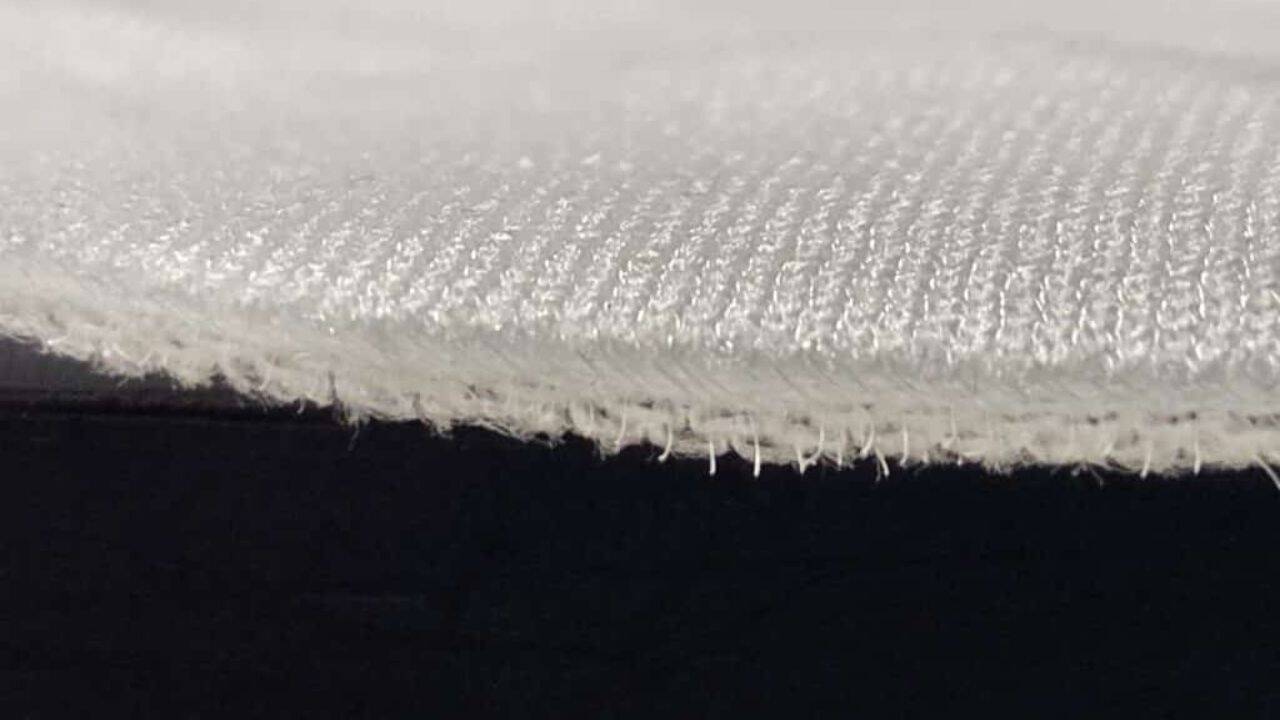
Plant Armor Gen 2. The fabric’s 3-D structure makes it difficult for insects to reach plants beneath it, while still allowing light, rain and airflow to pass through. Image Credit: Loganathan Ponnusamy/NC State University
What began with soldiers is now being tested in agriculture
R. Michael Roe, a co-author of the study, told NC State that the work began with an attempt to make a cloth for soldiers wearing body armour. Through experimentation, the textile was eventually adapted into a crop cover.The Plant Armor Gen 2 fabric examined in the study has been patented by North Carolina State University and is licensed for commercial development, according to the university article. The research brought together the university’s Wilson College of Textiles, College of Natural Resources and College of Agriculture and Life Sciences.