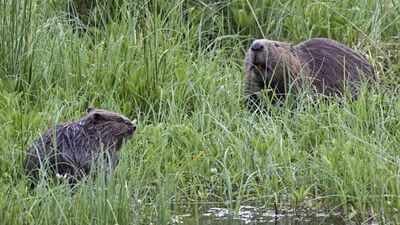
In 2019, two Eurasian beavers were released into a 10-hectare woodland in North Yorkshire, where their activity gradually reshaped the way water moved through the site. Over the next five years, the animals built dams and created new areas of standing water, changing both the stream and surrounding landscape. A study published in Ecohydrology found that median peak water flow below the enclosure fell by 46.6%, while baseflow increased by 417% compared with the upstream control. The researchers also recorded changes in water quality, vegetation and wildlife during the trial.
How did two beavers change water flows in the 10-hectare forest
The study examined a five-year beaver reintroduction trial at Cropton Forest in Yorkshire. Two Eurasian beavers were released into the fenced 10-hectare woodland in April 2019. The enclosure contained 824 metres of Sutherland Beck, along with several human-built structures designed to slow water and reduce flooding.The beavers quickly began reshaping their surroundings. They felled trees, altered the stream and constructed six dams during the trial. Their work created ponds and wetter areas across parts of the woodland, changing both the physical landscape and the way water was stored and released.The researchers monitored the site before and after the release and compared water entering the enclosure with water leaving it. They used flow measurements alongside surveys of dams, water storage, vegetation, water quality and wildlife to track the changes over the five-year period.
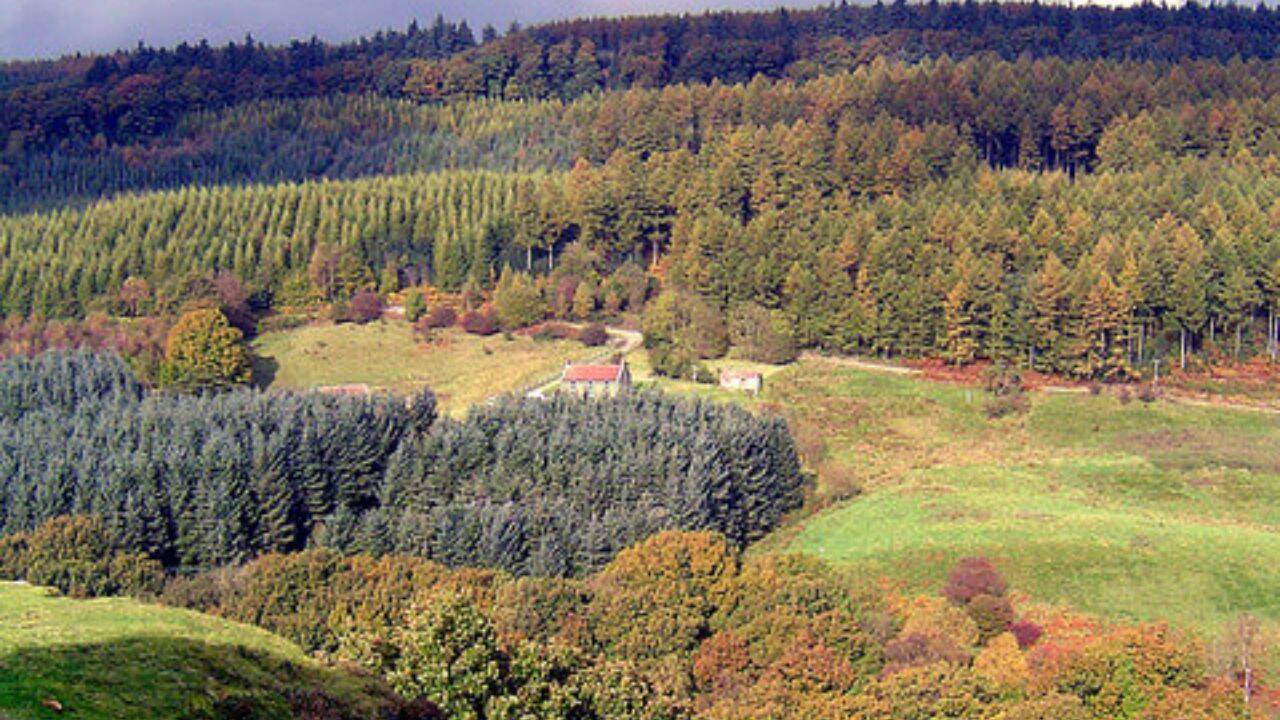
Cropton Forest. Image Credit: Wikimedia Commons
Peak water flow fell down while stored water was released more slowly
One of the clearest changes was in the behaviour of the stream during periods of high and low flow. The study found that median peak water flow was reduced by 46.6% when comparing water entering and leaving the enclosure. The researchers noted that this comparison also included the effects of existing human-built structures, so the figure represents the combined influence of the site instead of beaver dams alone.The study explained that the beavers increased water storage and encouraged some water to spread onto the floodplain, where movement was naturally slowed. Their dams also helped reconnect areas that could store water away from the main stream.The result was a less sudden pattern of water movement. The researchers found that the flow response below the enclosure was much less variable than above it, indicating that the stream was less prone to sharp changes between high and low flows.The effect was particularly striking during drier conditions. Baseflow, referring to the water continuing to enter a stream between rainfall events, was 417% higher below the enclosure. During dry periods, flows leaving the enclosure were five times higher than flows entering it. The study linked this to the gradual release of water that had been stored across the beaver-modified landscape.
What happened to the forest as beavers built dams
The beavers did more than change the stream. Their tree-felling and dam-building activities gradually transformed the woodland into a more varied landscape containing flowing water, ponds, wetlands and areas of regenerating vegetation.The study recorded an increase in wetland habitat during the trial. In 2019, only 12 of 102 fixed monitoring points were classified as wetland vegetation, open water or swamp. By 2023, that number had risen to 29.Aquatic plant diversity also increased. The number of aquatic plant species recorded in the ponds rose from 15 to 20, although two species were lost locally. New pondweed species appeared, while duckweed became less dominant in the older standing-water areas.The researchers also observed that beaver activity allowed more sunlight to reach the woodland floor because of tree felling. Together with the expansion of wet areas, this created a more varied set of habitats within the enclosure.
The beavers reshaped water quality and wildlife conditions
The study found several changes in water quality between the upstream and downstream monitoring points. Median turbidity, which indicates how cloudy water is because of suspended material, fell from 13 to 9 NTU below the enclosure, a reduction of 30.77%.The researchers also recorded higher dissolved oxygen below the enclosure and changes in pH, conductivity and temperature. Some effects varied between seasons, with several differences more pronounced during winter.The ecological response was similarly broad. Environmental DNA sampling detected 39 vertebrate taxa in the Cropton enclosure, compared with 33 at the neighbouring Pickering Beck comparison site. The Cropton samples included four amphibians, 19 birds, nine fish and 14 mammals.The study also recorded changes among individual groups. Dragonfly and damselfly species counts tripled during repeat surveys. Otter footage increased substantially over the trial, although the researchers cautioned that camera locations changed during the study.Bats showed one of the clearest links to beaver activity. Bat numbers increased at monitoring locations and times that corresponded with new beaver activity nearby. The researchers suggested that the more open landscape, greater habitat variety or increased availability of insect prey could have contributed to this response.
What happened to the older flood-control structures
The beavers were released into a landscape that already contained structures built to slow water as part of earlier natural flood management work. These included timber bunds and large woody dams.Over the 5-year trial, some of those human-built structures deteriorated and lost much of their original storage capacity. The study found that the timber bunds and woody structures together provided less storage than the beaver dams by 2024, except during the largest modelled flood event.The beaver dams helped compensate for this decline. The researchers estimated that beaver activity approximately doubled the site’s water storage volume and more than offset the reduction caused by degradation of the older structures.The beaver structures themselves were not permanent. Some dams were breached during the study, while new structures were built elsewhere. The researchers described this continual change as part of the natural evolution of beaver-created wetlands.
Five years of beaver reintroduction revealed lasting changes
The study found that the effects of the two beavers extended well beyond dam construction. Their activity altered water storage and flow patterns, expanded wetland habitat, changed water quality and increased diversity among several groups of plants and animals. It also showed how beaver activity can continue reshaping a site while older human-built flood-management structures decline.The findings from the Cropton Forest enclosure provide a detailed picture of what happened when two beavers were given space to modify a managed British woodland.